

MyMeetBook.com Logo
    • Advanced Search
  • Guest
    • Login
    • Register
    • Night mode
umer44 Cover Image
User Image
Drag to reposition cover
umer44 Profile Picture
umer44

@umer44

  • Timeline
  • Groups
  • Likes
  • Following
  • Followers
  • Photos
  • Videos
  • Reels
umer44 profile picture umer44 profile picture
umer44
2 yrs - Translate

"Freight Logistics: Connecting Markets Across Continents"
In the intricate web of global commerce, freight logistics serves as the silent but indispensable force connecting markets across continents. From the consumer goods we purchase to the raw materials used in manufacturing, nearly every product we encounter has likely traversed vast distances via various modes of transportation before reaching its final destination. In this article, we delve into the pivotal role of freight logistics in fostering international trade and sustaining the interconnectedness of economies worldwide.
website link: https://sizelogistics.com/
The Backbone of Global Trade
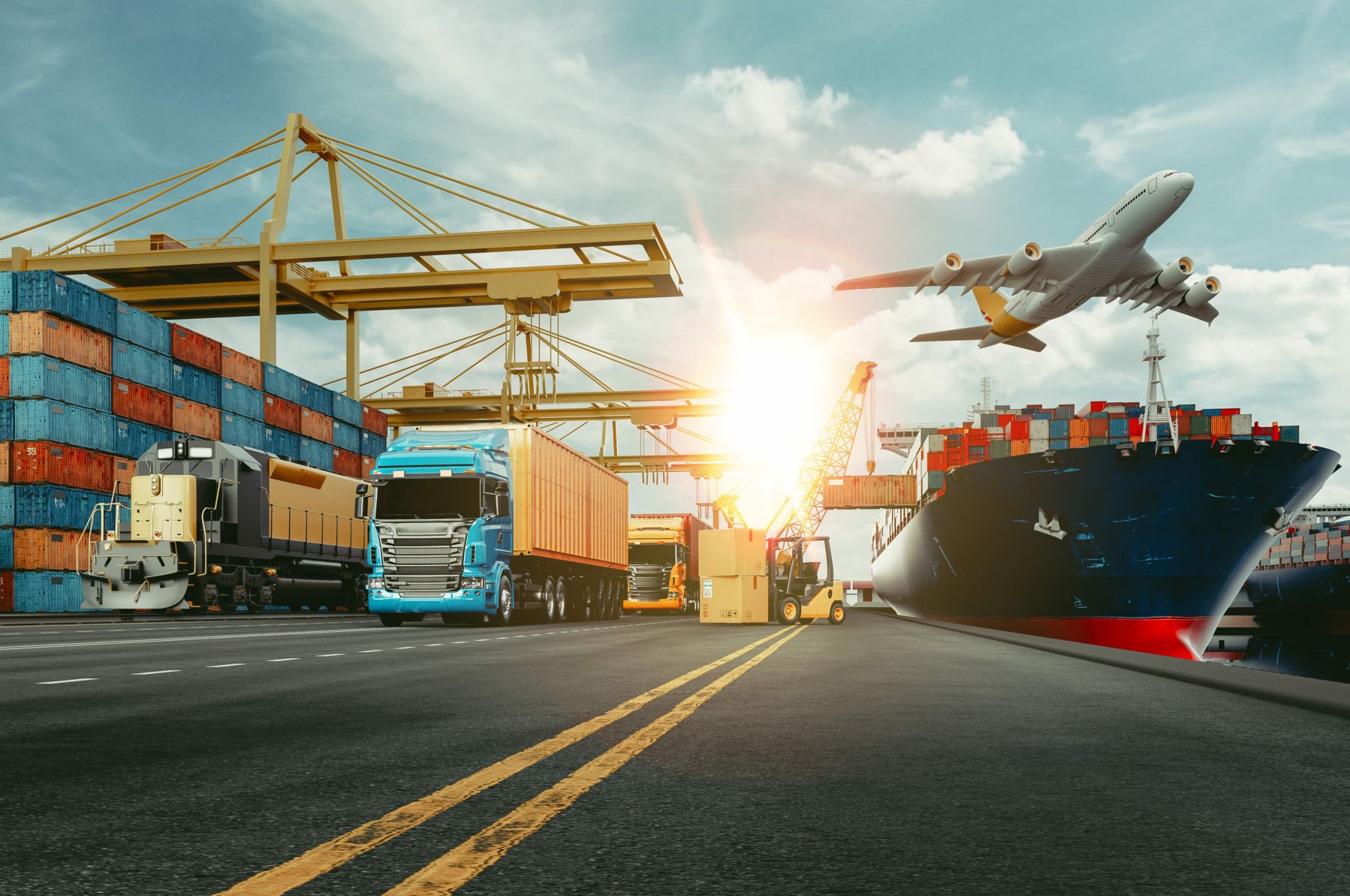
Freight logistics encompasses the planning, coordination, and execution of the movement of goods from one location to another, irrespective of the distance involved. At its core, it involves a complex network of transportation modes, including ships, airplanes, trucks, and trains, as well as the infrastructure supporting these modes, such as ports, airports, railways, and highways. This intricate system ensures the efficient and timely delivery of goods, enabling businesses to access a global market and consumers to enjoy a wide array of products.

Maritime Transport: Bridging Continents
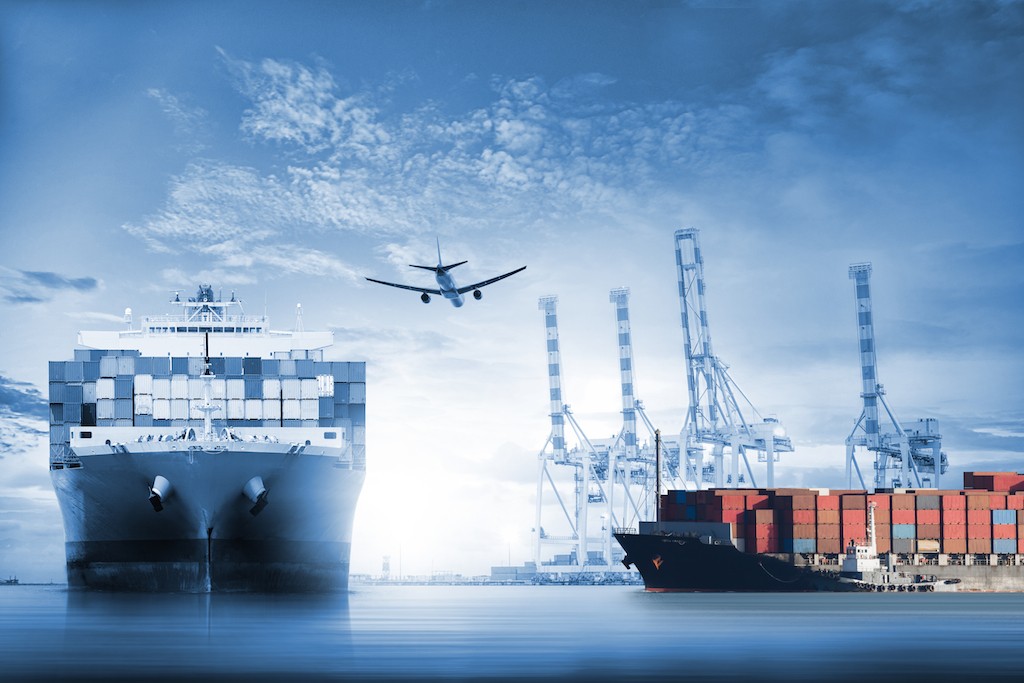
Maritime transport stands out as the backbone of international trade, facilitating the movement of goods on a massive scale. Container ships, capable of carrying thousands of containers, navigate the world's oceans, linking distant ports and enabling the exchange of goods between continents. Ports serve as crucial hubs in this global network, where cargo is loaded, unloaded, and transferred between different modes of transportation. The evolution of containerization has revolutionized maritime logistics, streamlining processes and reducing costs, thereby accelerating the pace of globalization.

Air Freight: Speeding Up Global Supply Chains
While maritime transport dominates the movement of bulk goods, air freight plays a vital role in expediting the delivery of time-sensitive and high-value commodities. From perishable goods like fresh produce and pharmaceuticals to urgent shipments of electronics and automotive parts, air cargo ensures rapid delivery across vast distances. Despite its higher cost compared to other modes of transportation, the speed and reliability of air freight make it indispensable for businesses seeking to meet tight deadlines and satisfy customer demands in distant markets.

Land Transport: Connecting Regions
On land, trucks and trains serve as essential links in the global logistics chain, connecting ports and airports with inland distribution centers and ultimately reaching consumers in urban and rural areas alike. Trucks are particularly versatile, navigating highways and urban streets to deliver goods directly to warehouses, retail stores, and even homes. Rail transport, on the other hand, excels in transporting bulk cargo over long distances efficiently, offering a cost-effective alternative for industries such as mining, agriculture, and manufacturing.

The Role of Technology in Enhancing Efficiency
In recent years, technological advancements have revolutionized the field of freight logistics, driving efficiency gains and transforming supply chain management practices. Automation, artificial intelligence, and data analytics enable logistics companies to optimize routes, minimize transit times, and reduce costs. Furthermore, the emergence of blockchain technology holds the promise of enhancing transparency and security in global supply chains, providing stakeholders with real-time visibility into the movement of goods and the associated documentation.

Environmental Considerations and Sustainable Practices
Amidst the relentless pursuit of efficiency and profitability, freight logistics also faces growing pressure to address its environmental footprint and embrace sustainable practices. The transportation of goods contributes significantly to carbon emissions, air pollution, and other environmental impacts, prompting stakeholders to explore alternative fuels, cleaner technologies, and modal shifts to mitigate these effects. Additionally, efforts to optimize cargo consolidation, minimize empty miles, and enhance intermodal connectivity can further reduce the ecological footprint of freight transportation.

Navigating Challenges and Seizing Opportunities
Despite its pivotal role in global trade, freight logistics is not without its challenges. Complex regulatory frameworks, geopolitical tensions, natural disasters, and supply chain disruptions pose significant risks to the seamless flow of goods across borders. Moreover, the ongoing digital transformation and the rise of e-commerce are reshaping consumer behavior and expectations, placing new demands on logistics providers to deliver faster, more transparent, and more flexible services.

However, amidst these challenges lie opportunities for innovation and collaboration. From the adoption of emerging technologies to the development of sustainable infrastructure and the forging of strategic partnerships, the logistics industry is poised to evolve and adapt to the changing demands of a globalized world. By embracing innovation, fostering resilience, and prioritizing sustainability, freight logistics can continue to serve as the vital link connecting markets across continents, driving economic growth, and fostering prosperity worldwide.

Conclusion
Freight logistics is the invisible thread that binds economies together, enabling the seamless movement of goods across continents and connecting producers with consumers around the globe. From the bustling ports of Asia to the vast warehouses of North America, the intricate dance of ships, planes, trucks, and trains ensures that products flow smoothly from their point of origin to their final destination. As the world becomes increasingly interconnected, the role of freight logistics in facilitating international trade and driving economic development will only continue to grow, shaping the future of global commerce for generations to come.
image
Like
Comment
Share
umer44 profile picture umer44 profile picture
umer44
2 yrs - Translate

What Types of Products Are Typically Stored in Fulfillment Centers?
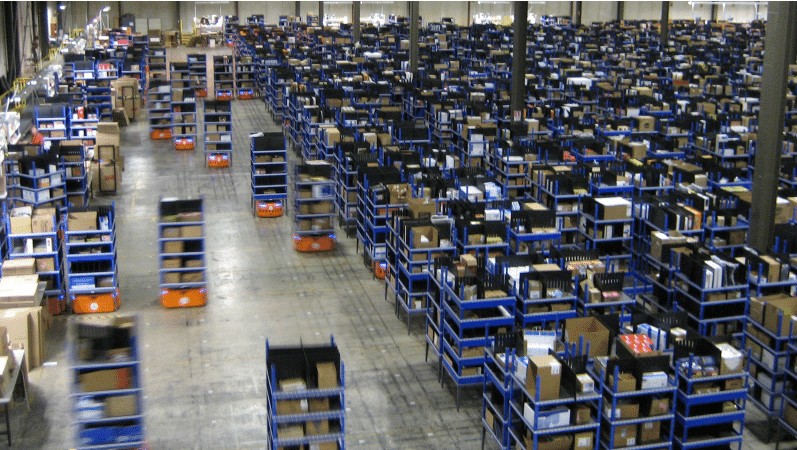
In the realm of e-commerce and logistics, fulfillment centers play a pivotal role in the seamless processing and delivery of orders to customers. These hubs of activity are not just storage spaces; they are sophisticated facilities designed to efficiently manage a vast array of products. Let's delve into the diverse range of items typically stored in fulfillment centers and understand the dynamics of their storage and management.
website link: https://oneoneglobal.com/
Common Product Categories
Fulfillment centers cater to a wide spectrum of product categories, ranging from consumer electronics to household essentials. These centers are equipped to handle everything from small, lightweight items to bulky, oversized goods. Common product categories include electronics, apparel, home and kitchen goods, health and beauty products, books, toys, automotive parts, food, sporting goods, pet supplies, and more.

Specialized Products
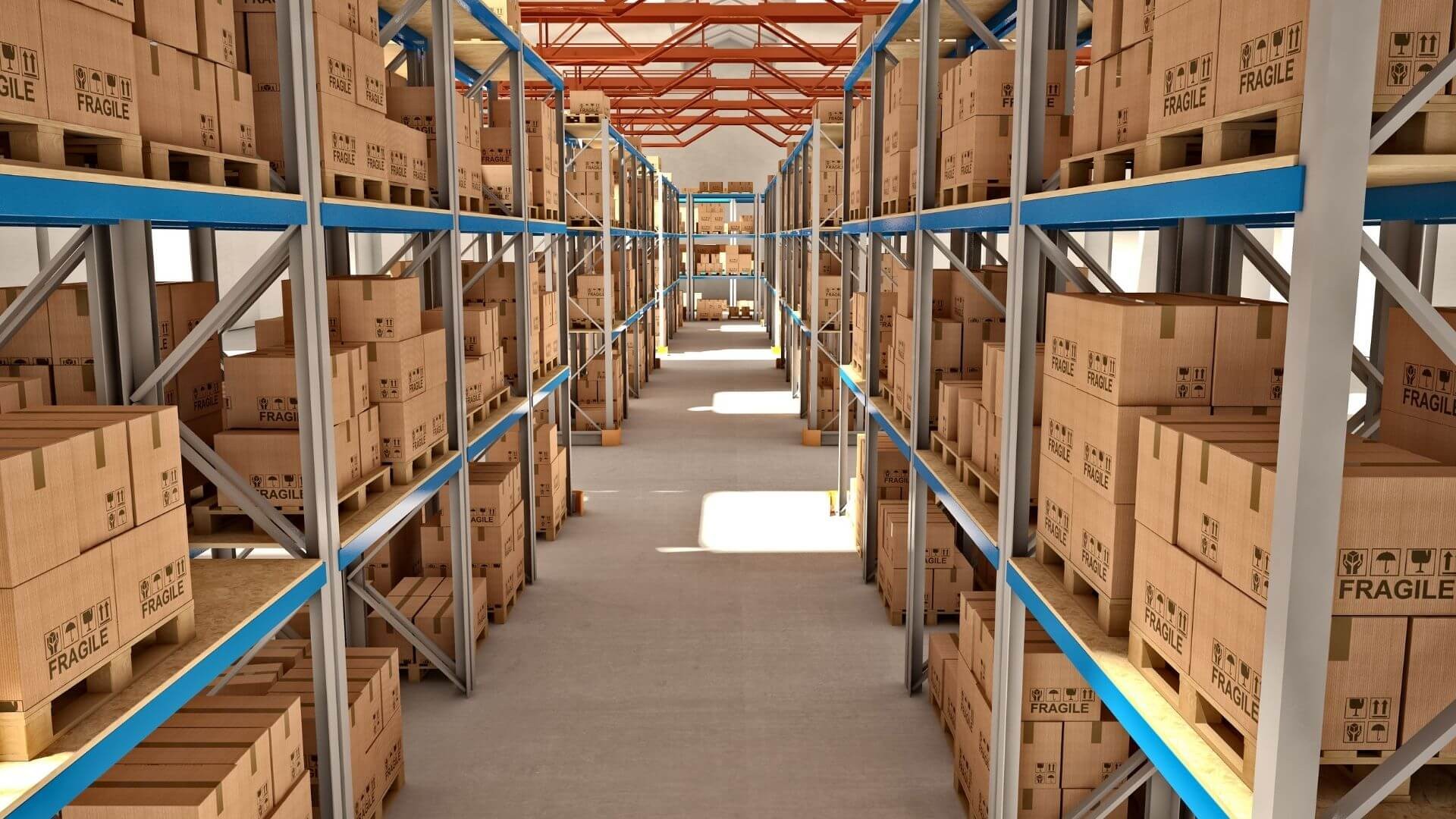
In addition to everyday consumer goods, fulfillment centers also store specialized products that require unique handling and storage solutions. This may include temperature-sensitive items like perishable foods or pharmaceuticals, fragile goods such as glassware or electronics, and oversized items like furniture or machinery. Fulfillment centers often have designated areas or specialized equipment to accommodate these products safely.

Electronics and Technology Products
One of the primary product categories stored in fulfillment centers is electronics and technology products. This encompasses a wide range of items, including smartphones, laptops, tablets, cameras, and accessories. Due to their value and delicate nature, these products require careful handling and secure storage to prevent damage during storage and transportation.

Apparel and Fashion Items
Another significant category in fulfillment centers is apparel and fashion items. This includes clothing, footwear, accessories, and jewelry. Fulfillment centers often utilize automated systems for organizing and retrieving garments efficiently, ensuring timely order fulfillment and minimizing the risk of inventory errors.

Home and Kitchen Goods
Home and kitchen goods are essential household items that are commonly stored in fulfillment centers. This category includes everything from small appliances and cookware to bedding and home décor. Efficient storage solutions, such as shelving systems and storage bins, are employed to maximize space utilization and facilitate easy access to these products.

Health and Beauty Products
Health and beauty products, including cosmetics, skincare, and personal care items, are also prevalent in fulfillment centers. These items may require special handling to ensure compliance with regulatory standards and prevent contamination or damage. Fulfillment centers implement strict quality control measures to maintain the integrity of these products throughout the storage and distribution process.

Books and Media
Books, DVDs, CDs, and other media products are staples in fulfillment centers, especially for online retailers specializing in entertainment and education. These items are typically stored in designated areas to facilitate efficient sorting and retrieval, ensuring prompt delivery to customers.

Toys and Games
Toys and games are popular items stored in fulfillment centers, particularly during peak shopping seasons such as the holiday season. From action figures and dolls to board games and puzzles, fulfillment centers handle a diverse range of playthings, each requiring careful packaging and labeling to meet safety standards.

Automotive Parts and Accessories
Automotive parts and accessories are essential products stored in fulfillment centers to cater to the needs of vehicle owners and enthusiasts. These items range from replacement parts like filters and spark plugs to accessories like car mats and roof racks. Fulfillment centers often utilize specialized storage solutions, such as bins and racks, to organize these items efficiently.

Food and Grocery Items
With the rise of online grocery shopping, fulfillment centers have become key players in the storage and distribution of food and grocery items. Perishable goods such as dairy products, fresh produce, and frozen foods require temperature-controlled storage facilities to maintain their quality and safety. Fulfillment centers adhere to strict hygiene and sanitation protocols to ensure the integrity of these products.

Sporting Goods
Sporting goods encompass a wide range of products, including athletic apparel, equipment, and accessories for various sports and recreational activities. Fulfillment centers handle items such as athletic shoes, workout gear, bicycles, and outdoor gear, requiring specialized storage and handling to accommodate their size and shape.

Pet Supplies
Pet supplies, including food, toys, grooming products, and accessories, are in high demand among pet owners. Fulfillment centers stock a diverse range of pet-related products to cater to the needs of furry companions. These items may vary in size and weight, necessitating flexible storage solutions to optimize space utilization.

Miscellaneous Items
In addition to the aforementioned categories, fulfillment centers may also store miscellaneous items ranging from office supplies and stationery to seasonal merchandise and party decorations. These products add to the diversity of inventory managed by fulfillment centers, requiring adaptability and versatility in storage and retrieval processes.

Importance of Efficient Storage and Management
Efficient storage and management of products in fulfillment centers are crucial for ensuring timely order fulfillment, minimizing inventory holding costs, and enhancing the overall customer experience. By employing advanced technology, automated systems, and best practices in logistics and supply chain management, fulfillment centers can optimize their operations and meet the evolving needs of e-commerce businesses and consumers alike.

Conclusion
Fulfillment centers serve as the backbone of e-commerce logistics, providing essential storage and distribution services for a vast array of products. From electronics and apparel to food and pet supplies, fulfillment centers accommodate diverse product categories with efficiency and precision. By understanding the types of products typically stored in fulfillment centers, businesses can optimize their inventory management strategies and deliver exceptional service to customers.

image
Like
Comment
Share
umer44 profile picture umer44 profile picture
umer44
2 yrs - Translate

Are fulfillment centers suitable for small businesses?

Small businesses often find themselves facing a multitude of challenges when it comes to managing their logistics and order fulfillment processes. As they grow, the demand for their products increases, and with it comes the need for efficient and reliable fulfillment solutions. In this article, we will explore whether fulfillment centers are suitable for small businesses, examining their pros and cons, factors to consider, success stories, and tips for making the most out of this option.
Website link: https://oneoneglobal.com/
Introduction
Fulfillment centers, also known as distribution centers or warehouses, are third-party facilities that handle storage, packing, and shipping of products on behalf of businesses. They play a crucial role in the supply chain, especially for e-commerce businesses, by ensuring that orders are processed and delivered to customers in a timely manner.

For small businesses, the decision to utilize fulfillment centers can be a significant one, as it involves entrusting a key aspect of their operations to an external partner. However, it also presents opportunities for streamlining processes, reducing costs, and focusing on core business activities.

Pros of Using Fulfillment Centers for Small Businesses
Cost-effectiveness
One of the primary advantages of using fulfillment centers for small businesses is the cost-effectiveness it offers. Instead of investing in warehouse space, equipment, and personnel, businesses can leverage the resources of a fulfillment center on a pay-as-you-go basis. This can result in significant savings, especially for businesses with fluctuating order volumes.

Scalability
Fulfillment centers provide small businesses with the flexibility to scale their operations according to demand. Whether it's a sudden surge in orders during peak seasons or steady growth over time, fulfillment centers can adapt to accommodate changing needs without requiring additional investment from the business.

Access to Expertise
By partnering with a fulfillment center, small businesses gain access to expertise and resources that may not be available in-house. From inventory management to shipping logistics, fulfillment centers have specialized knowledge and tools to optimize the fulfillment process, allowing businesses to focus on their core competencies.

Cons of Using Fulfillment Centers for Small Businesses
Loss of Control Over Fulfillment Process
One of the drawbacks of outsourcing fulfillment to a third-party center is the loss of direct control over the process. While this can free up time and resources for other tasks, it also means relinquishing control over aspects such as packaging, branding, and customer interactions, which are crucial for maintaining brand identity and customer satisfaction.

Potential for Miscommunication
Communication is key when outsourcing any aspect of business operations, and fulfillment is no exception. Small businesses must ensure clear and effective communication with their chosen fulfillment center to avoid misunderstandings, delays, or errors that could impact the customer experience.

Factors to Consider When Choosing a Fulfillment Center
Location
The location of a fulfillment center can have a significant impact on shipping times and costs. Small businesses should consider proximity to major transportation hubs, customer demographics, and potential tax implications when selecting a fulfillment center location.

Services Offered
Not all fulfillment centers offer the same range of services, so it's essential for small businesses to assess their needs and find a provider that can meet them. This may include order processing, inventory management, kitting and assembly, returns handling, and international shipping capabilities.

Reputation and Reliability
The reputation and reliability of a fulfillment center are paramount to the success of a partnership. Small businesses should research potential providers thoroughly, seeking out reviews, testimonials, and references from other clients to gauge their track record and reliability.

Success Stories of Small Businesses Using Fulfillment Centers
Case Studies and Examples
There are numerous success stories of small businesses that have benefited from outsourcing their fulfillment operations to third-party centers. From startups to established brands, businesses across industries have found fulfillment centers to be instrumental in streamlining operations, expanding into new markets, and delivering exceptional customer experiences.

Tips for Small Businesses Utilizing Fulfillment Centers
Communication Is Key
Effective communication between small businesses and their fulfillment centers is essential for success. Regular updates, clear instructions, and open dialogue can help prevent misunderstandings and ensure smooth operations.

Regular Audits and Evaluations
Small businesses should conduct regular audits and evaluations of their fulfillment processes to identify areas for improvement and ensure that their chosen provider is meeting expectations. This may include assessing order accuracy, shipping times, and customer feedback.

Flexibility in Contracts
When negotiating contracts with fulfillment centers, small businesses should seek flexibility to accommodate changing needs and circumstances. This may include provisions for scaling up or down, adjusting service levels, or terminating the agreement if necessary.

Conclusion
In conclusion, fulfillment centers can be a valuable asset for small businesses looking to streamline their operations, reduce costs, and improve customer satisfaction. However, it's essential for businesses to weigh the pros and cons carefully, considering factors such as cost-effectiveness, scalability, loss of control, and communication challenges. By choosing the right fulfillment partner and maintaining open communication, small businesses can leverage fulfillment centers to achieve their growth and expansion goals.

image
Like
Comment
Share
umer44 profile picture umer44 profile picture
umer44
2 yrs - Translate

Are Digital Solutions Expensive to Implement?
In today's rapidly evolving digital landscape, businesses are constantly seeking ways to streamline processes, enhance efficiency, and stay ahead of the competition. Digital solutions offer a myriad of opportunities to achieve these objectives, from cloud-based software to automation tools and artificial intelligence systems. However, a common concern among businesses is the perceived expense associated with implementing these solutions. In this article, we delve into the intricacies of digital solution costs to determine whether they are indeed expensive to implement.
website link: https://ethosmiles.com/
Defining Digital Solutions
Before delving into the cost considerations, it's essential to understand what digital solutions entail. Digital solutions encompass a broad spectrum of technologies and platforms designed to address various business needs. These can range from customer relationship management (CRM) software and enterprise resource planning (ERP) systems to e-commerce platforms and data analytics tools. Essentially, any technology that helps optimize business processes and improve outcomes falls under the umbrella of digital solutions.

Importance of Digital Solutions
In today's digital age, the importance of leveraging technology to drive business growth cannot be overstated. Digital solutions empower organizations to streamline operations, enhance productivity, and deliver superior customer experiences. By digitizing manual processes, businesses can eliminate inefficiencies, reduce errors, and unlock new revenue streams. Moreover, digital solutions enable data-driven decision-making, allowing businesses to gain valuable insights into consumer behavior, market trends, and operational performance.

Factors Influencing Implementation Costs
The cost of implementing digital solutions can vary significantly depending on several factors. One key determinant is the type of digital solution being deployed. For instance, off-the-shelf software solutions may have lower upfront costs compared to custom-built solutions tailored to specific business requirements. Additionally, the scale of implementation plays a crucial role in cost estimation. Larger enterprises with complex infrastructures may incur higher implementation costs due to the need for extensive integration and customization.

Initial Investment vs. Long-Term Benefits
While the initial investment in digital solutions may seem daunting, it's essential to consider the long-term benefits they offer. Despite the upfront costs, digital solutions can yield substantial returns on investment (ROI) over time. By automating manual tasks, streamlining workflows, and improving overall efficiency, businesses can achieve cost savings and revenue growth. Moreover, digital solutions enable scalability, allowing businesses to adapt to changing market dynamics and capitalize on emerging opportunities.

Case Studies
To illustrate the varying costs associated with digital solution implementation, let's examine a few case studies. Company A, a small e-commerce startup, opts to use a cloud-based CRM software to manage customer interactions and sales pipelines. The initial setup costs are minimal, consisting mainly of subscription fees and basic customization. In contrast, Company B, a large multinational corporation, invests in a custom ERP system to integrate its global operations. The implementation costs are substantial due to the complexity of the project, including software development, data migration, and training expenses.

Cost-Saving Strategies
While digital solutions can entail significant upfront costs, there are several strategies businesses can employ to minimize expenses. One approach is to outsource development to third-party vendors or utilize freelancers, rather than hiring an in-house team. Outsourcing can help reduce labor costs and accelerate project timelines, particularly for specialized skill sets. Additionally, businesses can leverage open-source software and platforms to access cost-effective solutions with community support and customization options.

Future Trends and Cost Projections
Looking ahead, advancements in technology are likely to shape the landscape of digital solution costs. As technologies such as artificial intelligence, machine learning, and blockchain continue to mature, implementation costs may decrease as economies of scale and competition drive prices down. Moreover, the shift towards cloud-based solutions and software-as-a-service (SaaS) models is expected to offer more affordable and flexible options for businesses of all sizes.

Conclusion
In conclusion, while digital solutions may entail upfront costs, the long-term benefits they offer far outweigh the initial investment. By embracing digital transformation, businesses can unlock new efficiencies, drive innovation, and gain a competitive edge in today's digital economy. While implementation costs may vary depending on factors such as scale and customization, strategic planning and cost-saving strategies can help mitigate expenses and maximize ROI.

image
Like
Comment
Share
umer44 profile picture umer44 profile picture
umer44
2 yrs - Translate

How can businesses measure fuel efficiency in freight logistics?
In today's dynamic business environment, where sustainability and cost-effectiveness are paramount concerns, measuring fuel efficiency in freight logistics has become crucial for companies striving to stay competitive. By accurately assessing fuel usage and implementing strategies to optimize efficiency, businesses can not only reduce operating costs but also minimize their environmental impact.
website link: https://sizelogistics.com/
Introduction to Fuel Efficiency in Freight Logistics
Fuel efficiency refers to the ability of a vehicle to maximize the distance traveled per unit of fuel consumed. In the realm of freight logistics, where transportation accounts for a significant portion of operating expenses, improving fuel efficiency holds immense importance. Beyond cost considerations, enhancing fuel efficiency aligns with sustainability goals, reducing greenhouse gas emissions and mitigating environmental impact.

Key Metrics for Measuring Fuel Efficiency
Miles per Gallon (MPG)
Miles per gallon is a standard metric used to gauge the fuel efficiency of vehicles. It represents the distance traveled per unit of fuel consumed, providing a straightforward measure of efficiency.

Gallons per Ton-Mile
This metric calculates the amount of fuel required to transport one ton of freight over a mile. It offers insights into the fuel efficiency of a logistics operation relative to the cargo being transported.

Payload Capacity Utilization
Optimizing payload capacity ensures that vehicles carry the maximum amount of freight without exceeding weight limits, thereby maximizing fuel efficiency per ton-mile.

Idling Time
Reducing idling time, during which vehicles are stationary but engines continue to run, is critical for improving fuel efficiency. Monitoring and minimizing idling can lead to significant fuel savings.

Technology Solutions for Monitoring Fuel Efficiency
Telematics Systems
Telematics systems integrate GPS technology with onboard diagnostics to track vehicle performance in real-time. These systems provide valuable data on fuel consumption, route efficiency, and driver behavior.

GPS Tracking
GPS tracking enables companies to monitor vehicle location and movement, allowing for route optimization and identifying areas for fuel efficiency improvement.

Vehicle Maintenance Software
Advanced maintenance software can schedule regular service intervals, ensuring vehicles operate at peak efficiency. It also tracks fuel usage and identifies potential issues that may affect fuel economy.

Data Collection Methods
Real-Time Monitoring
Real-time data collection allows businesses to promptly identify inefficiencies and take corrective action, maximizing fuel efficiency on an ongoing basis.

Historical Data Analysis
Analyzing historical data provides insights into long-term trends and patterns, helping companies develop strategies for sustained fuel efficiency improvement.

Factors Affecting Fuel Efficiency
Vehicle Type and Condition
The type and condition of vehicles significantly impact fuel efficiency. Investing in newer, more fuel-efficient vehicles and maintaining them properly can yield substantial savings.

Route Optimization
Efficient route planning minimizes mileage and reduces fuel consumption. Utilizing mapping software and traffic data enables companies to identify optimal routes that maximize fuel efficiency.

Driver Behavior
Driver behavior, such as speeding, aggressive driving, and excessive idling, can significantly affect fuel efficiency. Implementing driver training programs and incentivizing fuel-efficient driving habits can lead to meaningful improvements.

Benefits of Improving Fuel Efficiency
Enhancing fuel efficiency offers a myriad of benefits for businesses:

Cost Savings: Reduced fuel consumption translates to lower operating costs and improved profitability.
Reduced Carbon Footprint: Lower fuel usage results in decreased emissions, contributing to environmental sustainability.
Enhanced Reputation: Demonstrating a commitment to fuel efficiency and sustainability can enhance a company's reputation among customers and stakeholders.
Challenges in Measuring Fuel Efficiency
Despite the benefits, measuring fuel efficiency poses several challenges for businesses:

Data Accuracy: Ensuring the accuracy and reliability of fuel consumption data can be challenging, particularly in diverse fleets with varying vehicle types.
Integration of Multiple Systems: Integrating data from different sources, such as telematics systems and fuel cards, requires robust IT infrastructure and data management protocols.
Compliance with Regulations: Adhering to regulatory requirements related to fuel reporting and emissions tracking adds complexity to fuel efficiency measurement efforts.
Best Practices for Optimizing Fuel Efficiency
Implementing the following best practices can help businesses optimize fuel efficiency:

Regular Maintenance: Scheduled maintenance ensures vehicles operate efficiently and minimizes the risk of unexpected breakdowns.
Driver Training Programs: Educating drivers on fuel-efficient driving techniques and incentivizing positive behavior can lead to significant fuel savings.
Utilization of Alternative Fuels: Exploring alternative fuel options, such as biodiesel or compressed natural gas, can reduce reliance on fossil fuels and lower emissions.
Case Studies of Successful Fuel Efficiency Initiatives
Company A: Implementation of Telematics Systems
By installing telematics systems across its fleet, Company A was able to monitor fuel consumption in real-time, identify inefficiencies, and optimize routes. This initiative resulted in a 15% reduction in fuel costs within the first year of implementation.

Company B: Driver Training Program
Company B implemented a comprehensive driver training program focused on fuel-efficient driving techniques. As a result, drivers reduced idling time, maintained consistent speeds, and practiced smooth acceleration and braking, leading to a 10% improvement in fuel efficiency.

Future Trends in Fuel Efficiency Measurement
Looking ahead, several trends are poised to shape the future of fuel efficiency measurement in freight logistics:

Advancements in Vehicle Technology: Continued innovations in engine efficiency and vehicle design will drive improvements in fuel economy.
Integration of AI and Machine Learning: AI-driven analytics tools will enable predictive maintenance and optimize route planning, further enhancing fuel efficiency.
Shift Towards Electric Vehicles: The growing adoption of electric vehicles in the freight industry will revolutionize fuel efficiency measurement, offering zero-emission transportation solutions.
Conclusion
Measuring fuel efficiency in freight logistics is essential for businesses seeking to reduce costs, minimize environmental impact, and maintain competitiveness in a rapidly evolving market. By leveraging key metrics, technology solutions, and best practices, companies can optimize fuel usage, enhance operational efficiency, and achieve long-term sustainability goals.

image
Like
Comment
Share
 Load more posts
    Info
    • Male
    • posts 16
    Albums 
    (0)
    Following 
    (1)
    Followers 
    (1)
    Likes 
    (7)
    Groups 
    (1)

© 2026 MyMeetBook.com

Language

  • About
  • Directory
  • Blog
  • Contact Us
  • Developers
  • More
    • Privacy Policy
    • Terms of Use
    • Request a Refund
    • Help
    • Tools
    • Update
    • Press

Unfriend

Are you sure you want to unfriend?

Report this User

Important!

Are you sure that you want to remove this member from your family?

You have poked Umer44

New member was successfully added to your family list!

Crop your avatar

avatar

Enhance your profile picture

Available balance

0

Images


© 2026 MyMeetBook.com

  • Home
  • About
  • Contact Us
  • Privacy Policy
  • Terms of Use
  • Request a Refund
  • Blog
  • Developers
  • More
    • Help
    • Tools
    • Update
    • Press
  • Language

© 2026 MyMeetBook.com

  • Home
  • About
  • Contact Us
  • Privacy Policy
  • Terms of Use
  • Request a Refund
  • Blog
  • Developers
  • More
    • Help
    • Tools
    • Update
    • Press
  • Language

Comment reported successfully.

Post was successfully added to your timeline!

You have reached your limit of 5000 friends!

File size error: The file exceeds allowed the limit (954 MB) and can not be uploaded.

Your video is being processed, We’ll let you know when it's ready to view.

Unable to upload a file: This file type is not supported.

We have detected some adult content on the image you uploaded, therefore we have declined your upload process.

Share post on a group

Share to a page

Share to user

Your post was submitted, we will review your content soon.

To upload images, videos, and audio files, you have to upgrade to pro member. Upgrade To Pro

Edit Offer

0%

Add tier


Select an image
Delete your tier
Are you sure you want to delete this tier?

Reviews

In order to sell your content and posts, start by creating a few packages. Monetization

Pay By Wallet

Add Package

Delete your address

Are you sure you want to delete this address?

Remove your monetization package

Are you sure you want to delete this package?

Unsubscribe

Are you sure you want to unsubscribe from this user? Keep in mind that you won't be able to view any of their monetized content.

Payment Alert

You are about to purchase the items, do you want to proceed?
Request a Refund

Language

  • Arabic
  • Bengali
  • Chinese
  • Croatian
  • Danish
  • Dutch
  • English
  • Filipino
  • French
  • German
  • Hebrew
  • Hindi
  • Indonesian
  • Italian
  • Japanese
  • Korean
  • Persian
  • Portuguese
  • Russian
  • Spanish
  • Swedish
  • Turkish
  • Urdu
  • Vietnamese